
What to Eat After a Tooth Extraction, From the First Meal On
Choose smooth, nourishing foods first, then add texture as chewing becomes comfortable. See what to eat, avoid and watch for after an extraction.
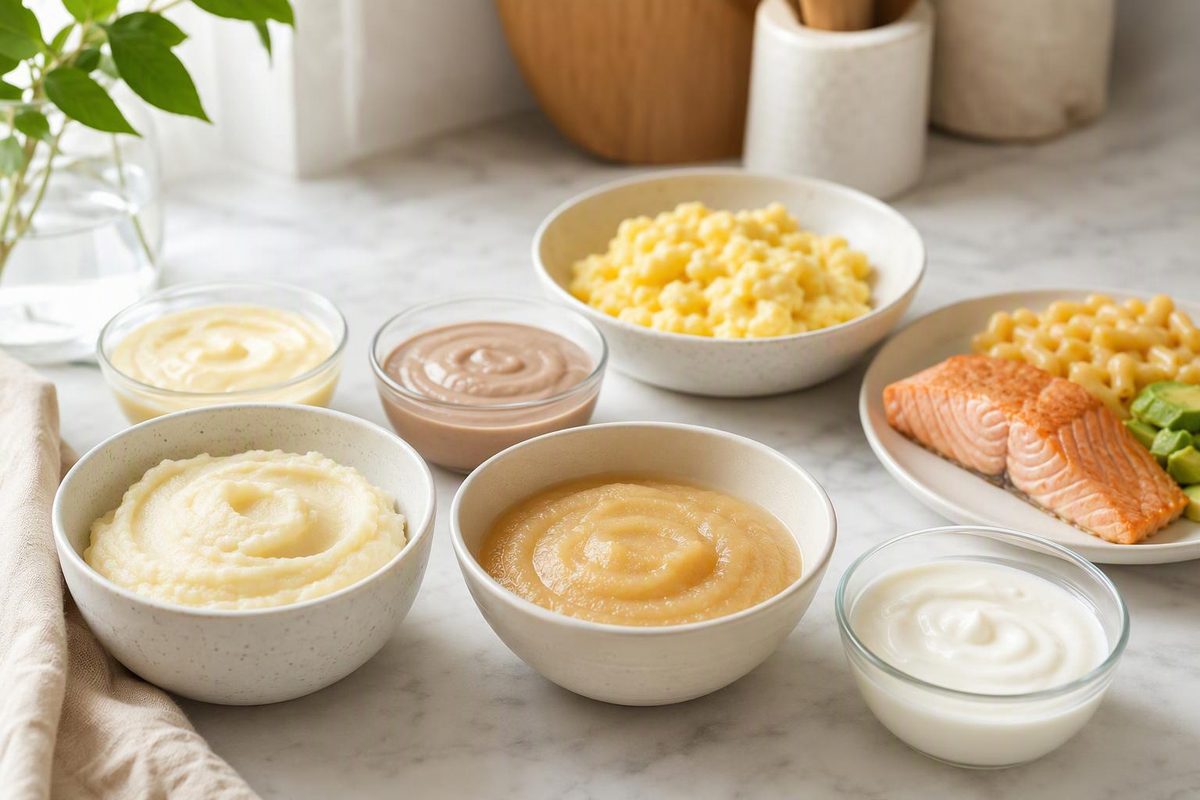
After a tooth extraction, start with cool or lukewarm foods that are smooth, soft and easy to swallow. Good first choices include yogurt without seeds, applesauce, mashed potatoes, scrambled eggs and blended soup. Add more texture only as chewing becomes comfortable and your dentist’s instructions allow.
Your discharge instructions take priority, especially after multiple extractions, difficult wisdom-tooth removal, sedation or a procedure involving stitches.
Best foods for the first day
Wait until bleeding is controlled and enough numbness has worn off that you can eat without biting your lip, cheek or tongue. Local anesthetic can last several hours, and hot food can burn tissue you cannot fully feel. University College London Hospitals advises soft food for the first few days and avoiding hot food and drinks while numb (UCLH).
Choose foods that need little or no chewing:
- Plain Greek yogurt or smooth regular yogurt
- Applesauce or smooth fruit puree
- Mashed potatoes, sweet potatoes or squash
- Smooth, lukewarm soup or broth
- Pudding or custard
- Scrambled eggs
- A banana mashed until smooth
- Hummus or another smooth bean puree
- A protein shake or seedless smoothie, drunk from a cup—not a straw
Try to include more than sweets. Eggs, yogurt, smooth beans or tofu can provide protein; pureed vegetables and fruit add variety. The American Association of Oral and Maxillofacial Surgeons recommends soft or liquid-based foods immediately after extraction and lists yogurt, applesauce and broth soups as examples (AAOMS).
Foods to add over the next few days
If swallowing and chewing are becoming easier—and eating does not restart bleeding or sharply increase pain—move to soft foods with a little more substance:
- Oatmeal or cream of wheat, cooled to lukewarm
- Very soft pasta or macaroni and cheese
- Flaky fish
- Avocado
- Soft pancakes
- Refried or well-mashed beans
- Soft-cooked vegetables, mashed if needed
- Finely cut tender meat mixed with gravy or sauce
Chew away from the extraction site when possible. The NHS advises continuing soft or liquid foods until chewing is more comfortable and avoiding hard or crunchy foods, nuts and seeds that can become trapped in the wound (NHS).
There is no universal day when everyone should resume normal food. A simple extraction may allow a faster progression than removal of several teeth or an impacted wisdom tooth. Increase texture gradually. If a food pulls at the area, breaks into sharp pieces or requires forceful chewing, return to softer meals. After wisdom-tooth surgery, see the more detailed solid-food progression.
Foods and drinks to avoid for now
During early healing, skip foods that can injure, irritate or lodge in the socket:
- Chips, crackers, crusty bread and hard taco shells
- Nuts, popcorn, seeds and seeded berries
- Tough or sticky foods, including jerky, caramel and chewy candy
- Spicy or highly acidic foods if they sting
- Very hot soup, coffee or tea
- Alcohol during early recovery, especially while taking medicine that should not be combined with it
Do not use a straw. Aggressive suction can loosen the blood clot that protects the socket, according to AAOMS postoperative guidance (AAOMS). Drink water from a cup instead.
Also avoid poking the socket with your tongue or utensils. For the first 24 hours, do not rinse forcefully or spit repeatedly; disturbing the clot can interfere with healing. After 24 hours, gentle salt-water rinsing may be recommended, but follow the method and timing supplied by your dental team (Healthdirect).
A simple one-day soft-food menu
- Breakfast: scrambled eggs with mashed avocado
- Snack: yogurt or applesauce
- Lunch: blended vegetable soup with smooth bean puree
- Snack: banana smoothie from a cup
- Dinner: mashed sweet potato with flaky fish or soft tofu
Small meals can be easier than one large meal, especially if your jaw is sore or medicine causes nausea. Keep drinking water throughout the day without swishing it around the socket.
When eating trouble may signal a complication
Some soreness and swelling are expected. Contact your dentist or oral surgeon if bleeding is heavy or does not stop, pain or swelling is severe or worsening, pain medicine is not helping, or you have a fever or feel unwell. Intense, persistent throbbing pain that starts a few days after extraction—sometimes with bad breath or an unpleasant taste—can indicate dry socket and needs dental assessment (Healthdirect).
If you cannot keep liquids down, contact the dental team promptly for advice on hydration and taking your medicines. Do not push through a firmer diet simply because a certain number of days has passed; comfort, the type of extraction and your clinician’s instructions should guide the change.