
Is Fluoride Bad for Your Teeth? Recommended Use vs. Overexposure
Fluoride protects teeth when used as directed. Learn when excess exposure can cause fluorosis, who is at risk, and how to use fluoride safely.
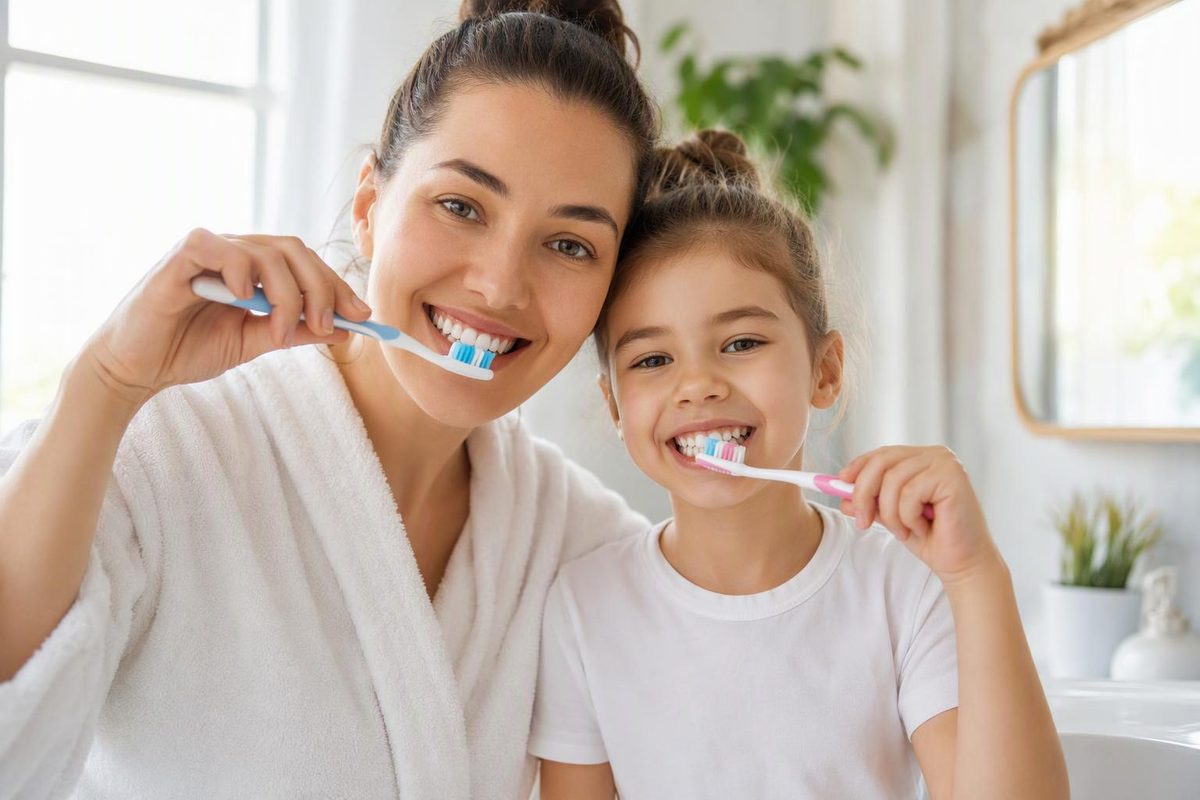
No—fluoride used as directed helps protect teeth rather than damage them. It strengthens enamel, the hard outer surface of a tooth, and helps replace minerals lost during early decay. Both children and adults benefit from it. The National Institute of Dental and Craniofacial Research explains these protective effects.
The important exception is too much swallowed fluoride while a child’s teeth are developing. That can cause dental fluorosis: changes in the enamel that range from faint white markings to, in more severe cases, staining and pits. Using fluoride toothpaste appropriately is not the same exposure as repeatedly swallowing excessive amounts.
When can fluoride harm teeth?
Dental fluorosis develops while teeth are forming under the gums, generally before about age 8. Its severity depends on how much excess fluoride a child consumes, how often, and for how long. Older children, teenagers, and adults cannot newly develop dental fluorosis, according to the CDC.
It helps to distinguish appearance changes from structural damage:
- Mild fluorosis: Faint white flecks, lines, or spots. This is the most common form in the United States. It is cosmetic, does not affect tooth function, and is not painful.
- More severe fluorosis: More extensive enamel changes, which can include staining and pitting. Moderate and severe forms are rare in the United States.
The CDC describes the severity and frequency of fluorosis, while the American Dental Association (ADA) identifies stained pitting as part of its possible appearance.
So “fluoride damages enamel” is too broad. Recommended use protects enamel; excessive ingestion during tooth development can alter it.
How to keep the benefit without unnecessary exposure
The goal is an appropriate amount of fluoride—not automatically removing it from a child’s routine.
Use the right amount of toothpaste. The ADA recommends brushing twice daily with fluoride toothpaste, starting when the first tooth appears. For children younger than 3, use no more than a smear the size of a grain of rice. For ages 3–6, use no more than a pea-sized amount. Supervise brushing and teach children to spit rather than swallow. These amounts are set out in the ADA’s fluoride guidance.
Do not casually add rinses or supplements. The ADA advises against fluoride mouthrinse for children under 6 unless a health professional recommends it, because they may swallow it. Fluoride supplements should be prescribed, not added independently.
Check drinking-water exposure when reviewing a young child’s intake. Tell the dentist whether your child drinks public tap water, well water, or bottled water, and whether they take fluoride supplements. Ask your water supplier about fluoride levels; private well water may need testing. The CDC recommends reviewing water fluoride levels for children younger than 8.
For adults, the practical default remains fluoride toothpaste used as directed. Prescription-strength products should follow the prescription and product instructions—not the assumption that more is always better.
Does professionally applied fluoride varnish cause fluorosis?
Professionally applied varnish is not equivalent to repeated excess ingestion at home. The ADA reports no published evidence that professionally applied fluoride varnish is a risk factor for dental fluorosis, including in children younger than 6.
That does not mean every adult needs an additional treatment at every visit. Safety and necessity are separate questions. If varnish is recommended, ask: “What makes my cavity risk high enough to benefit?” Our guide to adult fluoride varnish and cavity risk addresses that decision.
What if you notice spots—or someone eats toothpaste?
Do not diagnose fluorosis from tooth color alone. Childhood illness, medication exposure, trauma, and other factors can also change tooth appearance. New white or brown marks in an adult are not newly acquired fluorosis; have a dentist assess the cause before stopping fluoride or choosing cosmetic treatment. The CDC lists other causes of tooth discoloration.
Eating toothpaste is a separate, immediate ingestion concern. Small accidental amounts of over-the-counter fluoride toothpaste are unlikely to be toxic, though they can cause stomach upset. If someone swallows a larger amount, eats prescription-strength toothpaste, or you are unsure how much was swallowed, contact Poison Control at 1-800-222-1222 in the United States for individual advice. Do not induce vomiting. Store toothpaste out of children’s reach and sight.