
Choosing an Electric Toothbrush for Better Plaque Removal
Compare useful electric toothbrush features, understand the evidence on plaque removal, and learn how to brush effectively without paying for unnecessary extras.
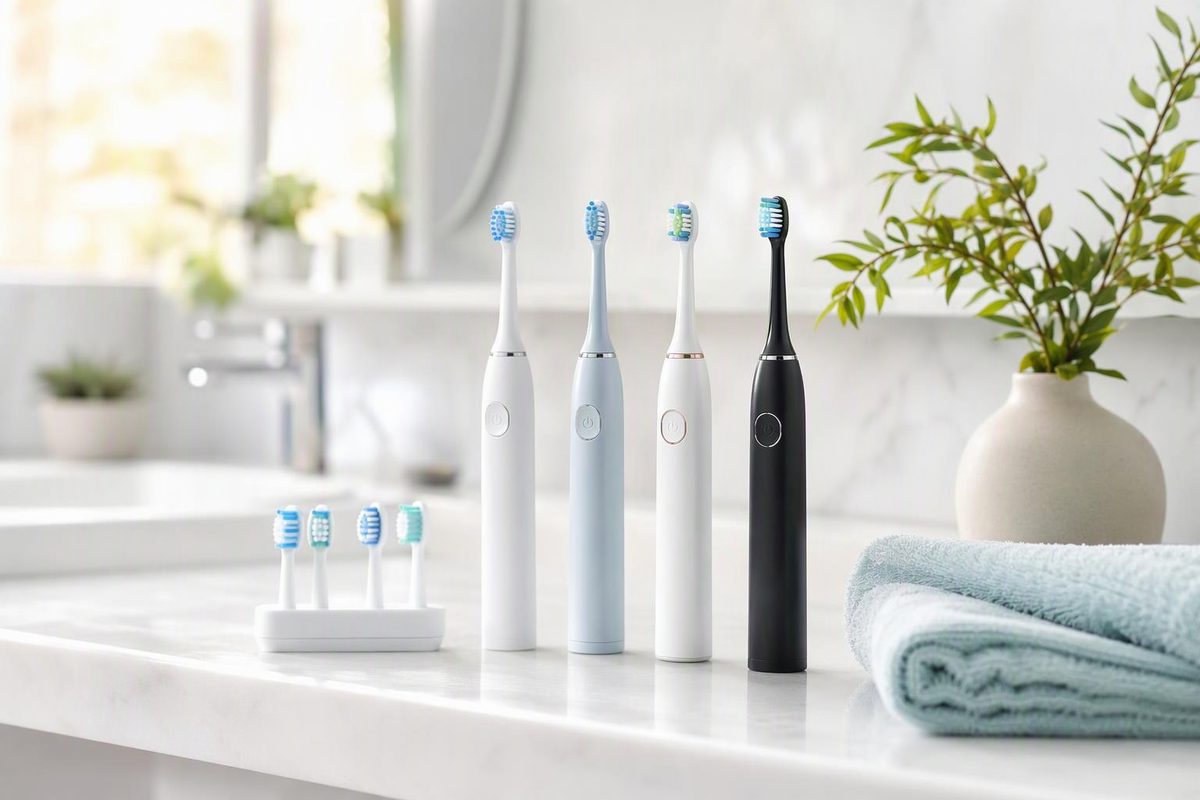
An electric toothbrush can help remove more plaque than a manual brush, but it is not a substitute for careful brushing or cleaning between teeth. For most shoppers, a sensible starting point is soft bristles, a comfortable brush head, a two-minute timer and affordable replacement heads. A pressure sensor is worth considering if you tend to press hard.
First, make sure the deposit you want to remove is plaque. Plaque is a sticky bacterial film; once it hardens into tartar, neither an electric nor a manual toothbrush can remove it. Tartar needs professional cleaning by a dentist or dental hygienist. NIDCR explains the difference, and our guide to dental plaque on teeth covers what home care can—and cannot—remove.
How much better is electric brushing?
A 2014 Cochrane review, with evidence searched through January 2014, included 56 studies involving 5,068 participants. Compared with manual brushing, powered brushing produced reductions in plaque scores corresponding to about 11% at one to three months and 21% beyond three months. Gum inflammation, called gingivitis, also improved. The evidence was rated moderate quality, and the importance of these differences for long-term dental health remained unclear. These figures describe plaque measurements—not a percentage reduction in cavities or tooth loss. Read the Cochrane review.
That makes an electric brush a reasonable option, not a requirement. The American Dental Association says both manual and powered brushes can remove plaque effectively. Powered brushes may be easier to use for people with limited hand movement or appliances such as braces. If your manual routine works well, switching is optional. ADA toothbrush guidance.
Which features are worth paying for?
| Feature | What to look for |
|---|---|
| Soft replacement heads | Choose soft bristles rather than a firmer head marketed as more powerful. The head should let you reach your back teeth comfortably. |
| Two-minute timer | Useful if you finish too quickly. Thirty-second reminders can help divide your attention among four sections of the mouth. |
| Pressure sensor | Warns when you press too hard; you still need to respond by easing off. |
| Comfortable handle and controls | Check whether the grip, weight and buttons suit your hands, especially if movement is limited. |
| Readily available replacement heads | Compare the cost per head and make sure soft heads are easy to buy before committing to a handle. |
| ADA Seal of Acceptance | A useful safety-and-effectiveness check, not a ranking showing that one accepted brush beats every other model. |
The Oral Health Foundation’s electric toothbrush guide explains timers, pressure sensors and optional app features. The ADA explains what its Seal verifies, including evidence for plaque removal and gingivitis reduction.
Oscillating-rotating or sonic? Oscillating-rotating brushes generally have a small round head that moves back and forth; sonic brushes use rapid vibrations. Both can clean well when used properly. Oscillating-rotating brushes had the largest body of evidence in the 2014 Cochrane review, but that does not establish a winner among today’s individual models.
Extra whitening modes, Bluetooth and app tracking are optional. A basic daily-clean mode is enough for most people, according to the Oral Health Foundation. Pay for extras only if they address a real problem in your routine, such as consistently missing areas—not simply because the brush offers more settings.
For the budget comparison, consider the handle price plus a year’s supply of replacement heads, rather than the sale price alone. Plan to replace a worn head; ADA guidance recommends replacing toothbrushes roughly every three to four months, sooner if bristles become matted or frayed.
Technique still matters
Follow your model’s instructions and ask your hygienist to demonstrate its use if you are unsure. As a general approach:
- Brush twice daily for two minutes with fluoride toothpaste.
- Position the bristles toward the gumline, roughly at a 45-degree angle.
- Guide the powered head gently from tooth to tooth rather than scrubbing hard.
- Cover the outer, inner and chewing surfaces of every tooth.
- Clean between teeth daily with floss or another suitable interdental tool.
These steps reflect Oral Health Foundation technique guidance and NIDCR oral-hygiene advice. An electric brush does not replace between-teeth cleaning.
To check for missed areas, consider plaque-disclosing tablets used according to their instructions. They stain remaining plaque so you can see where your technique needs attention; NIDCR recommends them as a way to make plaque visible.
When a different brush is not the answer
Arrange a dental assessment if your gums bleed during brushing, are painful or swollen, or you have persistent bad breath. Very sore, swollen gums or loose teeth warrant an urgent dental appointment. Do not respond by increasing brushing pressure or waiting for a premium brush to fix the problem. NHS gum-disease guidance.
At your next visit, ask: “Where am I leaving plaque, and can you show me how to clean those areas with my brush?” Also ask which between-teeth tool fits your mouth and whether any remaining deposits are tartar. Those answers are more useful than choosing a toothbrush by its advertised power alone.