
How to Prevent Teeth Grinding: Daytime Habits and Sleep Checks
Reduce daytime clenching, address stress and sleep habits, and learn when teeth grinding needs a medication review or dental evaluation.
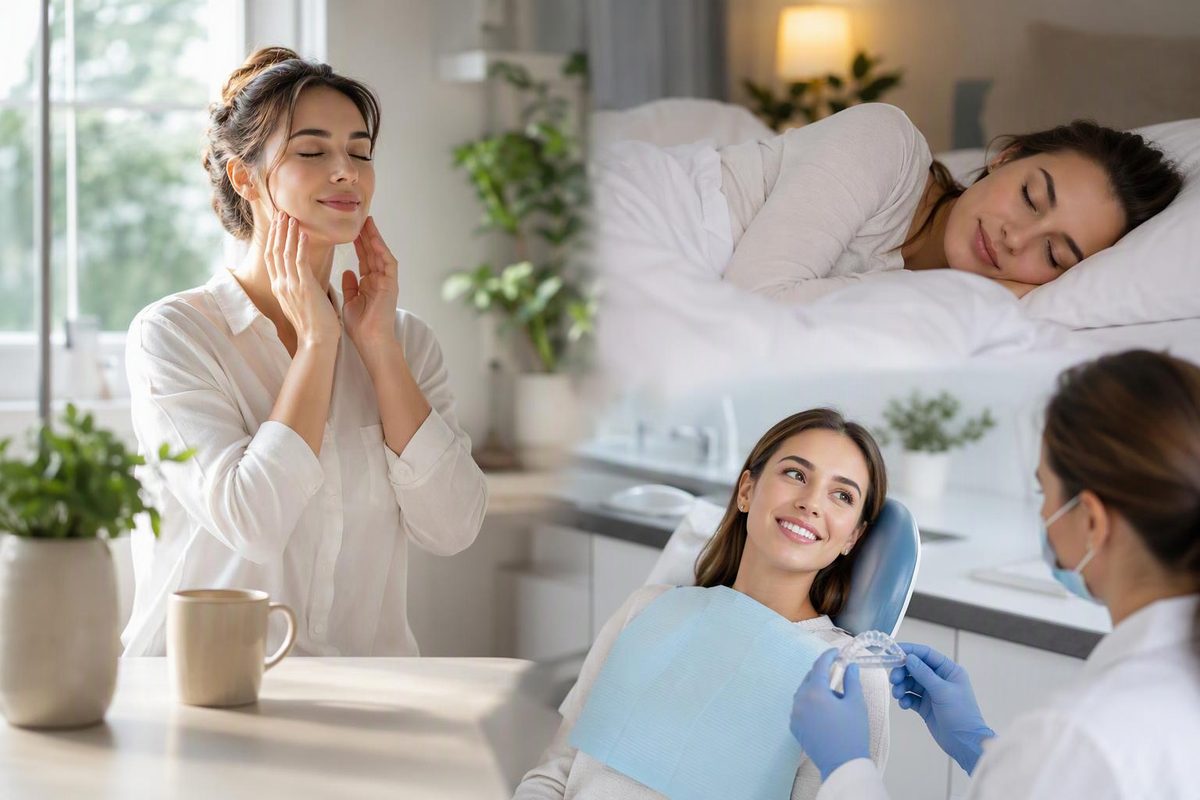
To reduce teeth grinding, start with daytime jaw-awareness reminders, stress management, and changes to caffeine, alcohol and sleep habits. If grinding continues, a dentist can check for damage and help identify contributors that need medical attention. There is no single guaranteed fix, and a night guard protects teeth without necessarily stopping the grinding itself. Mayo Clinic
Teeth grinding and clenching are called bruxism. They can happen while you are awake, asleep, or both. That distinction matters: daytime habits can be interrupted consciously; sleep grinding may need evaluation of sleep problems or other contributors.
Interrupt daytime clenching
You may notice your teeth pressed together while concentrating, driving or feeling tense. Rather than trying to remember all day, give yourself a few predictable prompts:
- Set a phone reminder or put a small note near your screen: “Teeth apart.”
- When the reminder appears, check whether you are clenching, then let your jaw relax and your teeth separate.
- Note the activity or situation in which you caught yourself clenching. Use that situation as another reminder next time.
NIDCR recommends reminders to keep teeth apart during the day. Ask your dentist to demonstrate a comfortable resting mouth and jaw position rather than forcing your jaw into a position that feels strained. Mayo Clinic’s behavior-change guidance also recommends addressing habits such as prolonged gum chewing and cheek or lip biting.
If your jaw or teeth already hurt, NHS guidance recommends avoiding gum and hard foods. This is a comfort measure, not a cure for sleep grinding.
Work on stress and evening habits
Stress can contribute to bruxism, but grinding is not proof that stress is the only cause. Genetics, substances and some medications may also play a role. NIDCR lists these contributors.
Choose changes you can repeat consistently:
- Build in relaxation. Try breathing exercises, meditation, music or regular exercise. Counseling may help when anxiety or ongoing stress is difficult to manage.
- Reduce caffeine and alcohol, particularly in the evening. Include caffeinated tea and other caffeinated drinks when reviewing your intake.
- Seek help to stop smoking. Discuss cessation support with your healthcare professional.
- Keep a regular sleep schedule. Allow enough time for sleep and use a relaxing bedtime routine.
These measures may reduce symptoms, but they do not guarantee that nighttime grinding will stop. NIDCR’s bruxism expert guidance supports relaxation, regular sleep and cutting back on caffeine, alcohol and tobacco; NHS guidance also recommends breathing exercises, music and regular exercise.
For jaw stretches or relaxation exercises, ask a dentist or appropriately trained physical therapist to show you suitable movements rather than trying forceful exercises yourself. NIDCR recommends professional instruction so exercises can be done safely and effectively.
Check contributors that habit changes cannot address
Sleep problems: Tell your dentist or primary-care clinician if grinding comes with snoring or disturbed sleep. Bruxism can be linked with sleep apnea and other sleep problems; treating a sleep disorder may help the grinding. NHS and Mayo Clinic support evaluating these concerns. A clinician can decide whether you need a sleep specialist or a sleep study.
Medication timing: If clenching began after starting a medicine or changing its dose, tell the prescriber. Certain medicines used for depression, seizures and ADHD may increase the chance of bruxism. NIDCR identifies these medication links. Do not stop or change prescribed treatment yourself; the prescriber can consider a dose adjustment or different medicine.
Know when to book a dental visit
Arrange an appointment if you have tooth damage, sensitivity, jaw or facial pain, or a partner reports grinding during sleep. These are reasons for assessment rather than simply trying more home remedies. NHS guidance recommends dental care for these signs.
Bring a short record of when symptoms occur, daytime clenching triggers, sleep observations and your medicines. Ask:
- “Is there evidence of ongoing damage, or could something else explain my pain?”
- “Can you show me a resting jaw position and suitable relaxation exercises?”
- “Do my sleep symptoms or medicines warrant another clinician’s assessment?”
- “How will we check whether the plan is helping?”
A guard may still be useful while you work on contributors. Keep its purpose clear: protection is not the same as prevention. If one is recommended, our guide to choosing a custom night guard covers the separate decision about fit and options.